1xBet App: Download Source, Setup and Updates
An APK is the installation file Android uses to place an app on your phone, and the 1xBet APK is simply the bookmaker's Android package fetched outside the Play Store. Because the file arrives through a browser rather than a curated store, the source you tap and the permission you grant decide whether setup is clean or risky. This guide walks through judging the download page, installing with the unknown-sources toggle, keeping the app updated, and reading the errors Android throws when something goes wrong.
Judging Where the File Comes From
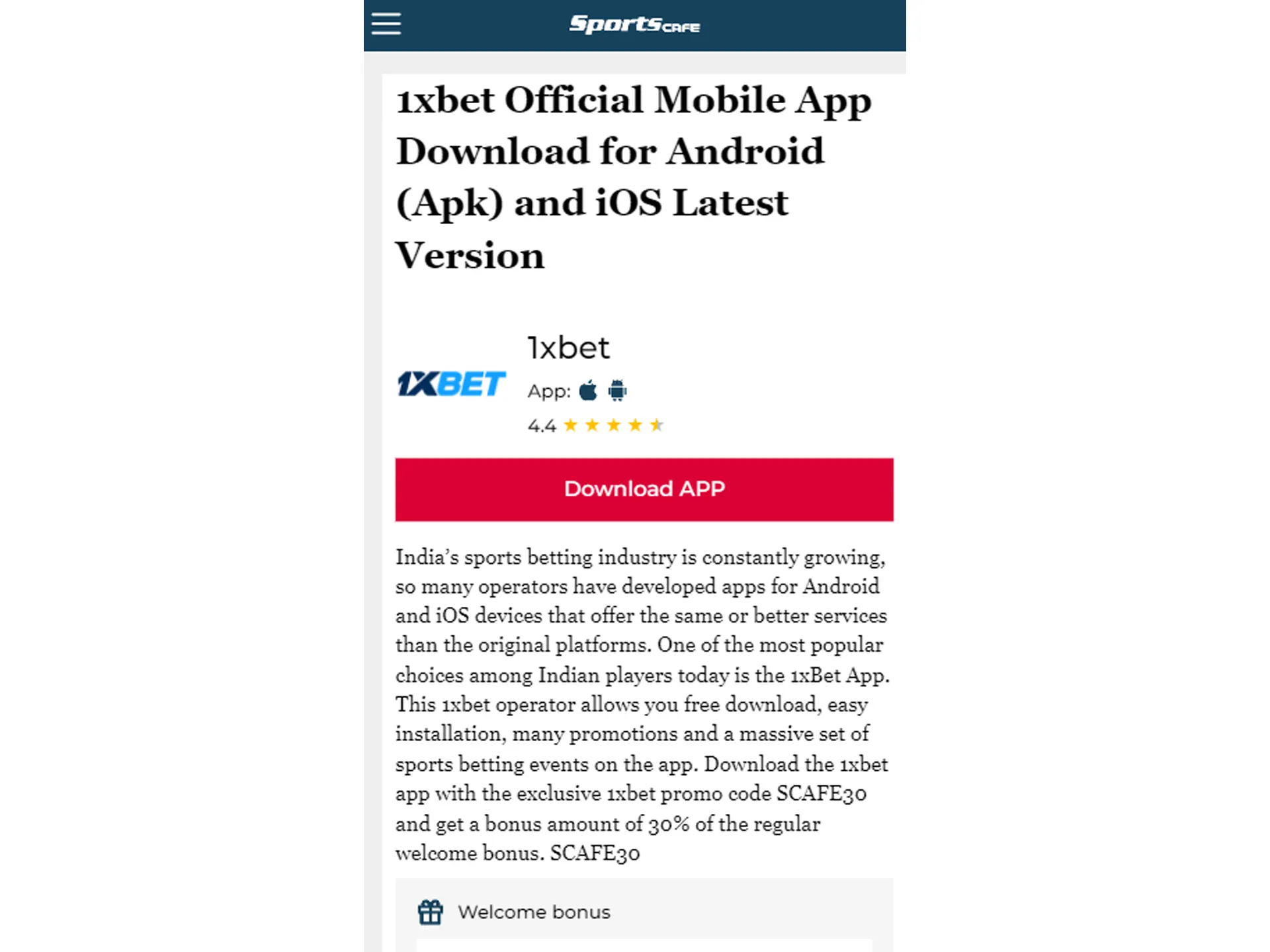
Before any download, spend a minute on the page itself. A trustworthy source loads over HTTPS, shows the operator's branding consistently, and names the file plainly rather than hiding it behind ad buttons. Treat these checks as a habit:
- The address bar shows a valid certificate and a domain that matches the brand, not a lookalike with extra words or hyphens.
- The page offers the APK directly, without forcing a "download manager" or an extra app first.
- File details such as version number and size are displayed, so you can compare them after the download.
- No pop-ups demand notification access or unrelated permissions before the file starts.
When in doubt, navigate from the main 1xBet site rather than from a search result or a messenger link. A page reached through 1xbet apk free latest version download is easier to trust than a random mirror, because you can trace how you arrived there.
Getting the APK Onto the Phone
The download itself is ordinary browser behaviour, but a few habits make it safer and easier to verify:
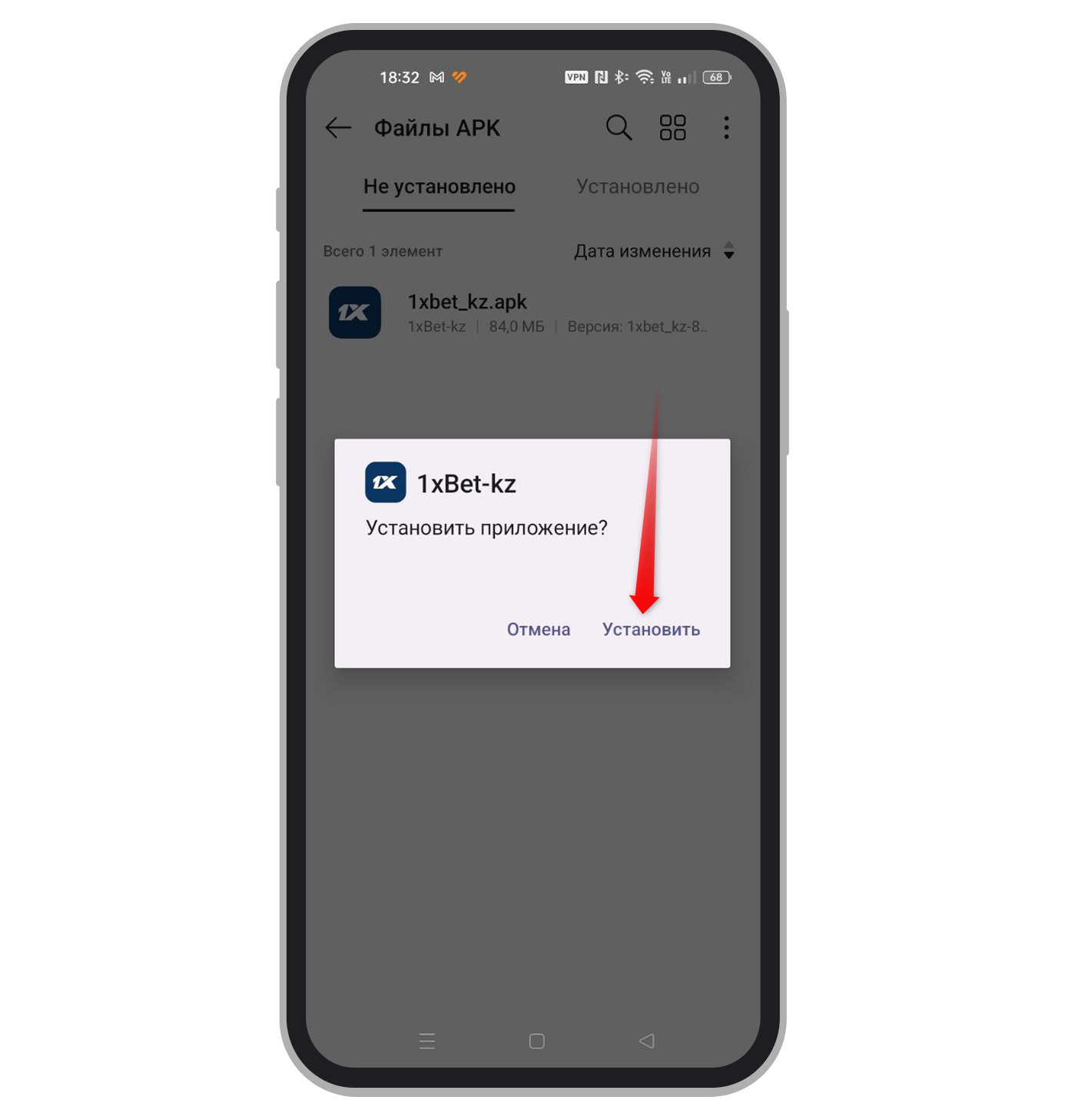
- Open the mobile section of the site and tap the Android button; the file lands in your Downloads folder.
- Wait for the transfer to finish completely — a partial file is the most common cause of a failed install.
- If the page lists a version number or checksum, compare it with what your file manager reports.
- Keep the file until the app runs, then delete it; a fresh copy is always available when you need to reinstall.
Some users prefer to grab the installer straight from a dedicated 1xBet download page such as 1xbet apk free updated version, which typically presents the Android and any desktop options side by side. Whichever route you take, avoid third-party APK aggregators: they repackage files, and a repackaged build can behave differently from what the operator published.
What the Unknown-Sources Permission Actually Does
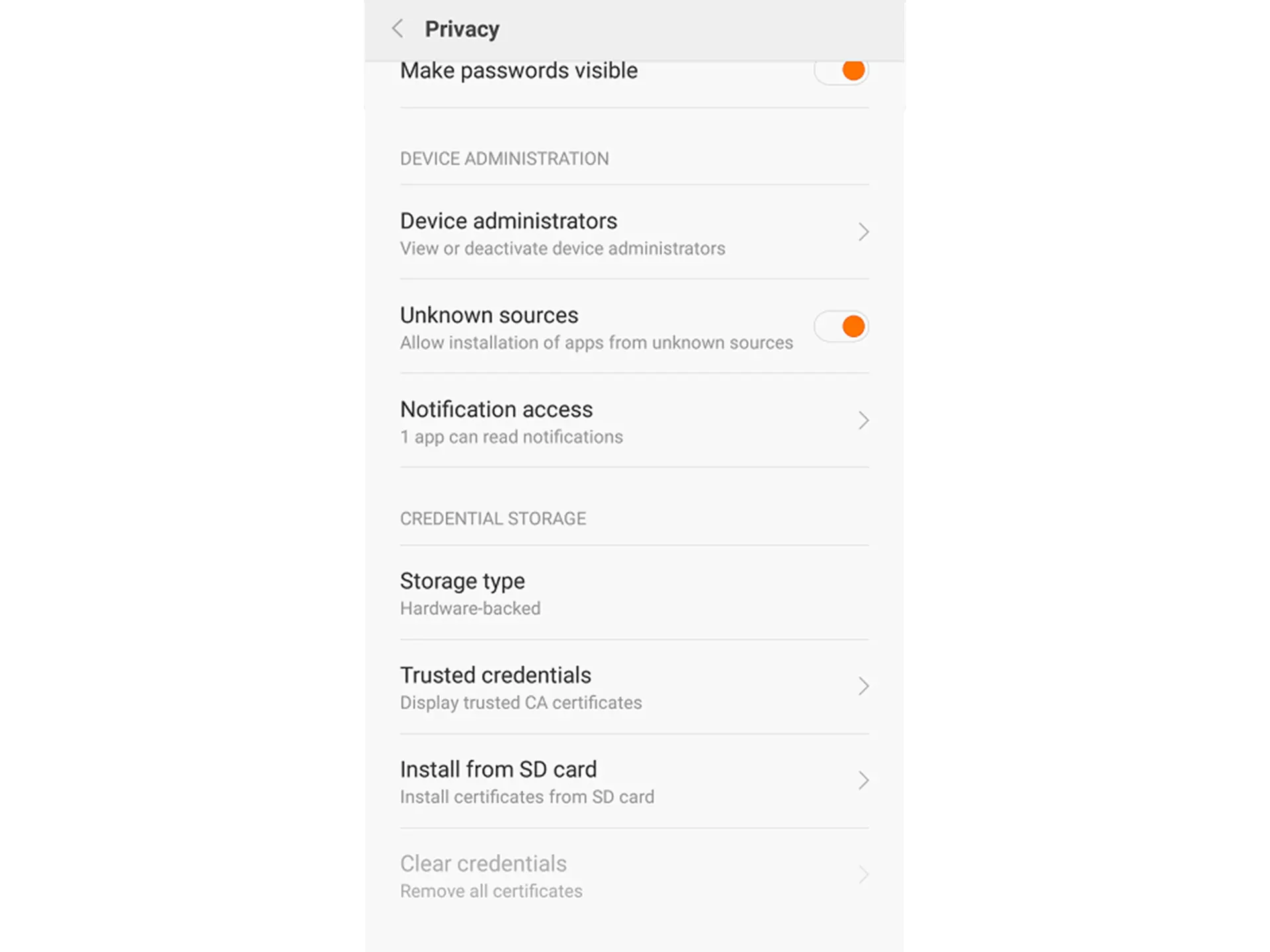
Android blocks installations from outside the Play Store by default, so the system asks you to allow installs from the source that carries the file — usually your browser or file manager. This toggle is per app, not global: granting it to Chrome does not grant it to anything else. Once installation finishes, you can revoke the permission in Settings under "Install unknown apps", and the already-installed 1xBet app keeps working. Revoking only stops future sideloads, which is exactly what you want. If the toggle is left on, any site could theoretically push a file through that same source, so switching it back off is a two-second habit worth keeping.

Inside the App Once It Runs
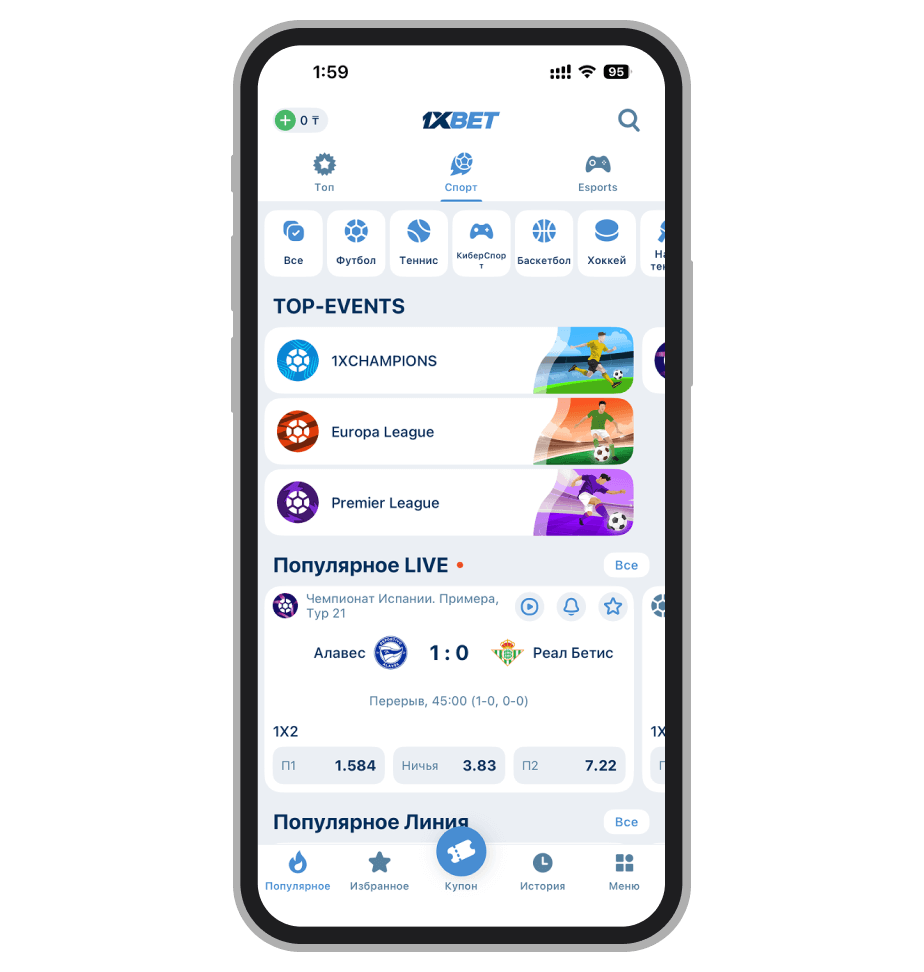
After sign-in, the APK mirrors the desktop product in a compressed layout. Availability of individual sections varies by region and app release, but the core set is consistent:
- Pre-match plus live sports betting with in-play odds that refresh as events unfold.
- A casino area with slots, table games and live-dealer rooms where local rules permit them.
- Deposits and withdrawals through the cashier, with the same payment methods your account already uses.
- Account tools: verification uploads, bet history, bonus tracking and responsible-gaming limits.
- Push notifications for settled bets, promotions and match reminders, all adjustable in settings.
The mobile website covers the same ground if you would rather not install anything; it runs in any modern browser and asks for no permissions at all.
| Aspect | APK | Mobile site |
|---|---|---|
| Installation | Required, with permission | None |
| Updates | Manual or in-app prompt | Automatic |
| Storage use | App plus cache | Browser cache only |
| Notifications | Native push | Limited or none |
Keeping the Build Current
Because the APK sits outside the Play Store, updates do not arrive silently in the background. The app usually flags a new version on launch, or you can revisit the download page and compare version numbers. Updating means installing the newer APK over the old one — Android treats it as an upgrade and keeps your login and settings, provided the package is signed with the same certificate. A build signed by a different key will refuse to install, which is Android protecting you from a swapped file; if that happens, delete the download and fetch it again from the source you trust. Skipping several versions is normally fine, but very old builds may lose access to features or fail to log in until updated.
Reading Installation Errors Properly
Android's messages are terse, but each maps to a small set of causes:
| Message | Likely cause | Fix |
|---|---|---|
| "App not installed" | Corrupt or partial file; certificate mismatch | Re-download; remove conflicting older build |
| "Parse error" | File damaged or too new for the OS | Fetch again; check Android version support |
| Install blocked | Unknown-sources permission not granted | Allow it for the browser, then retry |
| Stuck on "Installing…" | Low storage or a stalled package installer | Free space, restart the phone |
Two cautions matter here. Uninstalling the app to "start fresh" can wipe locally stored data such as saved login sessions, so update over the top first whenever possible. And if repeated installs fail with certificate warnings, stop — that pattern suggests the file is not what it claims to be.
Habits That Keep the App Healthy
Long-term trouble-free use comes down to a short routine:
- Update when the app prompts rather than ignoring the notice for months.
- Re-check the unknown-sources permission after major Android upgrades, since system updates sometimes reset it.
- Clear the app cache occasionally if pages load slowly; your account data lives server-side.
- Keep one bookmark to the download page so you never hunt for the file through search ads.
Follow that routine and the APK behaves like any other well-kept app on the phone.

FAQ
Is the APK file itself dangerous?
No — an APK is a standard Android package format. Risk comes from where you obtain it, which is why verifying the source matters more than the file type.
Do I need to keep unknown sources enabled forever on Android?
No. Grant the permission to your browser or file manager for the install, then revoke it. The installed app continues to work either way.
Will updating delete my account or bets on a new phone?
Updating over the existing install preserves your login and history. Uninstalling, however, can remove local data, so update rather than reinstall when possible.
Why does my new download refuse to install over the old app?
A certificate mismatch is the usual reason — Android blocks upgrades signed by a different key. Re-download from your trusted source instead of forcing it.
Is it possible to skip the APK and just use the browser?
Yes. The mobile website offers the same betting and account features without installation, permissions or manual updates, though push notifications are limited.